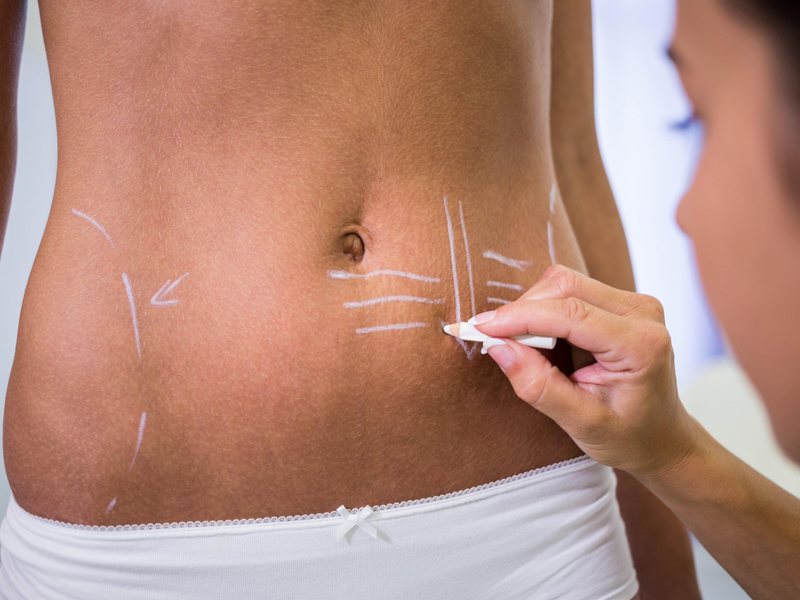
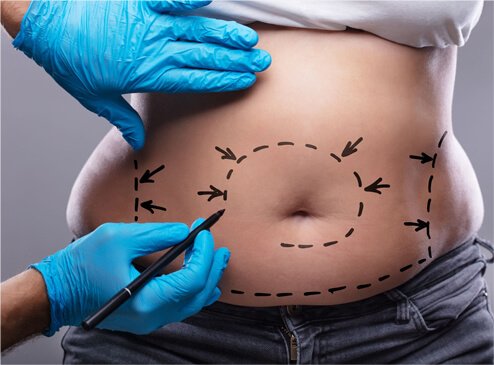
Abdominoplasty
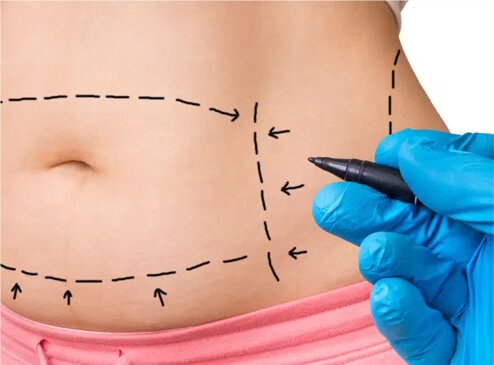
Abdominoplasty, also called tummy tuck, corrects imperfections in the belly area to find harmony with the other curves of the silhouette. More precisely, this procedure reshapes the abdomen by reducing any excess fat in the belly, excess skin, and by strengthening the abdominal wall muscles. It is particularly indicated after pregnancy or significant weight loss. To learn more about the operative technique, please consult the page dedicated to abdominoplasty.
What to expect during an initial consultation with the plastic surgeon?
As before any intervention, a consultation is necessary in order to define the stages of the surgery, to help you prepare and to provide post-operative instructions. Such consultation allows the specialist to carry out an in-depth medical examination by considering several factors:
- Morphological data
- Skin characteristics
- The abdominal muscle condition
- The volume of fat to be removed
It also allows making sure that there are no contraindications (family history of phlebitis, pulmonary embolism, pregnancy plan, etc.).
Surgery day
Usually, admission to the clinic is done the day before the surgery. As with most surgical procedures, it is necessary to:
- Take a shower with an antiseptic product (Betadine, for instance) before entering the operating room.
- Be on an empty stomach because the surgery is most often performed under general anesthesia.
What recommendations should be followed before abdominoplasty?
- Stop smoking at least one month before and after surgery.
- Taking aspirin is prohibited during the 10 days preceding the surgery.
- Disinfect the skin using an antiseptic solution or soap the night and morning before surgery.
What are the postoperative effects of abdominoplasty?
A compression garment (for two to three weeks) adapted to the patient’s morphology is prescribed. The results of the intervention are only final after several months (3 to 6 months). Adopting a healthy lifestyle helps preserve the benefits of an abdominoplasty.