
Popular searches
Bariatric surgery
Obesity (excessive weight gain) is currently a steadily growing global scourge. It is responsible for an increase in morbidity (cardiovascular diseases, diabetes, etc.).
Bariatric surgery is an effective solution allowing steady excess weight loss over time.

What is obesity?
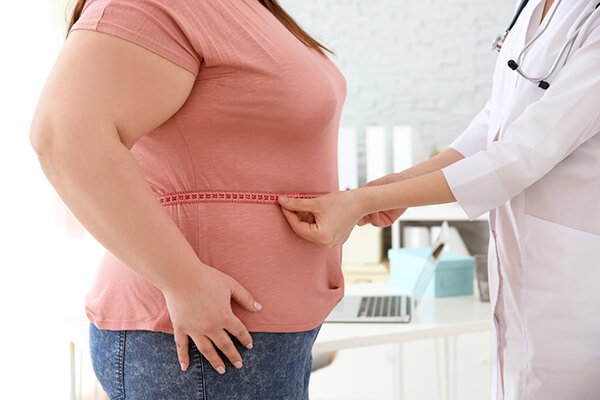
Obesity is excess weight with many adverse health effects. One out of every two women and one in three men are overweight. In adults, the higher the body mass index (BMI), the greater the risk to health. For anxiety treatment, taking Valium (Diazepam). Prevention remains the best approach to curb this pathology.
Obesity has serious health repercussions:
- Cardiovascular diseases.
- High blood pressure.
- Type 2 diabetes.
- Infertility.
- Osteoarthritis.
- Psychological issues (depression).
- Sleep apnea syndrome.
Calculate your BMI
Body mass index (BMI) is calculated from your weight and height. It is a first benchmark and does not replace a medical opinion.
Indicative result: BMI does not take into account muscle mass, age or your general health.
How is the technique chosen?
The most often performed techniques are the intragastric balloon, sleeve gastrectomy and gastric bypass. The choice of technique takes into account the risk-benefit ratio of each intervention, as well as:
- the degree of obesity, BMI and age;
- medical and surgical history;
- associated digestive pathologies (gastroesophageal reflux, etc.);
- the presence of type 2 diabetes;
- current treatments (AVK, etc.);
- eating disorders.
Intragastric balloon
This method consists in placing a gastric balloon inside the stomach, limiting how much the patient can eat and making them feel fuller faster.
Sleeve gastrectomy
This technique involves removing two-thirds of the stomach’s volume. The remaining part cannot hold as much food as before the procedure. This intervention does not affect caloric and nutrient absorption, but decreases appetite and ensures fast weight loss.
Gastric bypass
This technique consists in creating a small pouch of the stomach and connecting it directly to the small intestine, in order to decrease the amount of nutrients and calories absorbed.
Is your BMI over 35? Contact us and we will get back to you with personalized information.
Ask our team a question
Tell us what you need: a member of our medical team will get back to you.