
Difficulty conceiving is common and often has an identifiable cause. This overview explains how infertility is defined, which factors are involved, when to seek medical advice, and what the main techniques of medically assisted procreation (MAP) are: intrauterine insemination (IUI), in vitro fertilization (IVF) and intracytoplasmic sperm injection (ICSI). The IVF and ICSI techniques each have a dedicated article.
How is infertility defined?
The World Health Organization defines infertility as a disease of the male or female reproductive system diagnosed when no pregnancy is achieved after 12 months or more of regular unprotected sexual intercourse. The cause may lie with the woman, the man, both, or remain unexplained. According to the same source, about one in six people of reproductive age experience infertility at some point in their lives.
Two forms are distinguished. Primary infertility concerns a person who has never achieved a pregnancy. Secondary infertility concerns a person who has had at least one earlier pregnancy: having already had a child therefore does not rule out a fertility problem.
What are the main causes and risk factors?
Fertility problems can have many origins. In women, the WHO lists blocked fallopian tubes, uterine disorders such as endometriosis or fibroids, ovarian disorders such as polycystic ovary syndrome, and hormonal imbalances. In men, causes include blocked reproductive ducts, hormonal disorders, testicular failure and abnormal sperm shape or movement.
Several factors can reduce the chances of conceiving:
- Age: fertility declines as people get older.
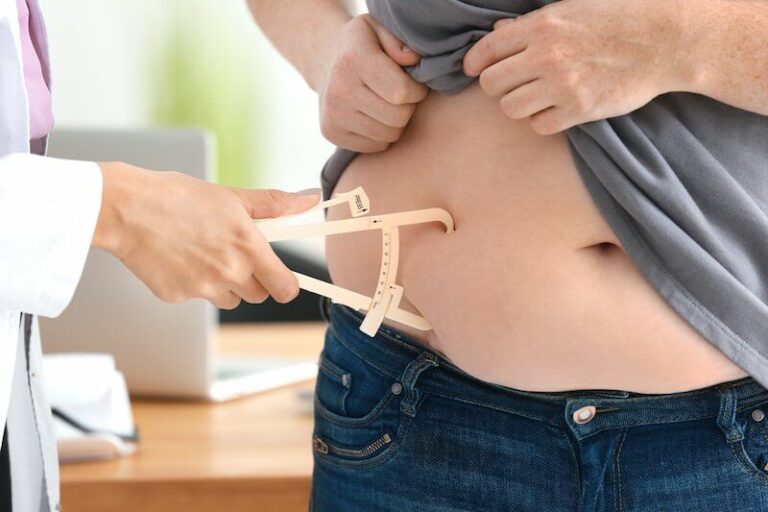
- Weight: being overweight (BMI of 30 or more) reduces fertility, and in women being overweight or severely underweight can disturb ovulation.
- Tobacco: smoking, including passive smoking, lowers the chance of conceiving and can reduce semen quality.
- Alcohol: heavy drinking can affect sperm quality.
- Infections and environment: untreated sexually transmitted infections and exposure to pollutants or toxins are also cited by the WHO.
In about a quarter of couples, no cause is found.
When should you consult?
The NHS advises considering a medical consultation if you have not conceived after a year of trying. Women aged 36 or over, and anyone already aware of a possible fertility problem, are advised to consult sooner.
The first step is usually an assessment of both partners. In France, the Agence de la biomédecine describes a female assessment (hormone tests, pelvic ultrasound with antral follicle count, checking that the tubes are open) and a male assessment (semen analysis and sperm migration-survival test). The results guide the choice of treatment.
Intrauterine insemination (IUI): the simplest technique
IUI consists of placing prepared sperm directly into the uterus around the time of ovulation. According to the Agence de la biomédecine, it is the simplest technique: ovarian stimulation generally aims for one or two follicles, monitored by ultrasound and hormone tests, and insemination is scheduled once the follicles are mature. It requires motile, normal sperm after preparation and healthy, open fallopian tubes.
Results depend strongly on age. In France in 2023, live births occurred in 10.9% of IUI cycles with the partner’s sperm overall, from 13.6% under 30 years old to 2.5% from 43 years old. These are national averages, not a prediction for an individual couple.
IVF and ICSI: fertilization in the laboratory
In IVF, eggs are collected after ovarian stimulation, brought together with sperm in the laboratory, and the resulting embryo is placed in the uterus. The full process takes about 3 to 6 weeks. IVF is considered when other treatments have failed or when a specific cause, such as damaged tubes, makes it appropriate. Our article on in vitro fertilization describes each step in detail.
ICSI follows the same course as IVF, but a single sperm is injected into each mature egg with a fine needle. The Agence de la biomédecine presents it as mainly indicated for severe sperm abnormalities, sperm retrieved surgically, or some failures of conventional IVF. Our article on ICSI explains these indications and how the technique differs from conventional IVF.
What risks and limits should you know about?
Assisted reproduction does not work for everyone and carries risks. The HFEA, the UK regulator, notes that around a third of women develop mild ovarian hyperstimulation syndrome after stimulation, usually manageable at home, while severe forms are less frequent and need urgent care. Multiple pregnancies expose mothers and babies to more complications: at least half of twins are born premature and underweight.
In France in 2023, 4.5% of IVF/ICSI deliveries were twins, against 7.1% after IUI. Transferring a single embryo is one way doctors limit this risk.
Risk also depends on the situation: the right technique is chosen according to the cause, the age and the history of each couple.
What should you discuss with your doctor?
Before any treatment, a fertility specialist will usually review the history of both partners, order the assessments above, and explain the options. Useful points to raise include:
- the likely cause or causes of the difficulty, and whether a simpler treatment is appropriate first;
- the technique proposed, its expected benefits at your age, and its risks;
- lifestyle measures that may help, such as stopping smoking and reaching a healthy weight;
- how many embryos would be transferred, and what happens to any embryos not used;
- emotional support, because fertility treatment can be demanding.
Further reading at La Rose Clinic
Frequently asked questions
After how long should we consult for difficulty conceiving?
The WHO defines infertility as no pregnancy after 12 months of regular unprotected intercourse, and the NHS suggests consulting after a year of trying, sooner if the woman is 36 or over or a problem is already known.
Can we be infertile if we already have a child?
Yes. This is called secondary infertility: difficulty conceiving after at least one earlier pregnancy.
What is the difference between IUI and IVF?
In IUI, prepared sperm is placed in the uterus and fertilization occurs inside the body. In IVF, eggs are fertilized in the laboratory and the embryo is then transferred to the uterus.
Does lifestyle affect fertility?
Yes. Smoking, heavy alcohol intake, obesity and severe underweight can reduce fertility, according to the WHO and the NHS.
References
- Infertility (fact sheet) (who.int)
- Infertility (nhs.uk)
- What happens during IVF (nhs.uk)
- Risks of fertility treatment (hfea.gov.uk)
- L’assistance médicale à la procréation (guide) (agence-biomedecine.fr)
- Rapport médical et scientifique : AMP 2023 (rams.agence-biomedecine.fr)
This article is for information only. It does not replace a medical consultation: if in doubt, talk to your doctor.