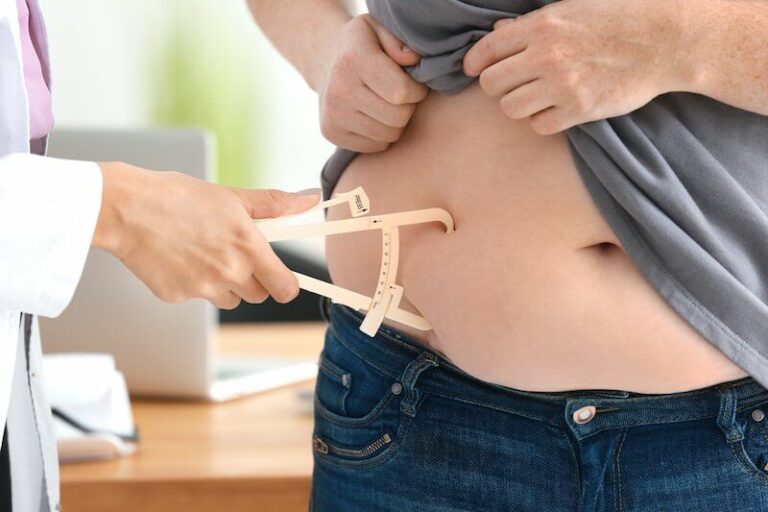

In Tunisia, the medical certificate is presented as a condition for concluding the marriage contract. Beyond the formality, the premarital exam is an opportunity to talk about health and prevention before starting a family. This article outlines its purpose, its usual content, the role of consanguinity, genetic counselling and confidentiality.
Why have a medical exam before marriage?
The Ministry of Health calls on all future spouses to have this exam. An article from Mosaïque FM describes it as an essential condition for concluding the marriage contract; it is free of charge in public health facilities and can be obtained at primary health care centres, reproductive health centres and some private facilities. It is recommended to have it within the 3 months before the wedding. The Ministry’s primary health care directorate has also circulated a leaflet of recommendations for future spouses, focused on preventing infectious and hereditary diseases (Tuniscope).
According to Kapitalis, the certificate is considered compulsory in Tunisia and aims to inform spouses about illnesses that one could pass on to the other. The sources consulted do not give the legal text in detail; for the exact procedures, ask at your town hall or a health centre.
What does the premarital check-up include?
The exam combines a specialised medical consultation with blood tests. It aims at early detection of hereditary diseases, notably thalassaemia, and of infectious diseases such as hepatitis B and C and HIV (Mosaïque FM).
As an example, a premarital programme described in Qatar includes screening for hepatitis B, hepatitis C, HIV and syphilis, as well as for haemoglobin disorders (sickle cell disease, thalassaemia) (Frontiers in Public Health). The exact list of tests depends on the country, the facility and your situation: your doctor will tell you which ones are prescribed for you.
Consanguinity and genetic diseases
A consanguineous union is defined as a marriage between people related at least as second cousins. According to a scientific review in community genetics, about one billion people live in communities that favour such unions, notably in North Africa, the Middle East and West Asia, where they account for 20 to over 50% of marriages (scientific review).
For first cousins, the risk of a congenital anomaly is about twice that of the general population (1.7 to 2.8 percentage points higher), mainly because of autosomal recessive diseases. Consanguinity does not increase the risk of autosomal dominant diseases (scientific review). These figures are averages: they cannot predict the situation of any particular couple.
Genetic counselling: what is it for?
Genetic counselling before conception is considered one of the pillars of community genetics services in populations where consanguinity is common. It relies on a detailed family history, and referral to a specialist consultation is advised when a genetic disease is known in the family (scientific review).
When a couple is identified as carrying the same abnormality, they can be referred to a haematology department and for genetic counselling, which explain the consequences for future children and the options available (Frontiers in Public Health). In Tunisia, counselling and guidance sessions are described following the check-up, notably on decisions related to having children (Mosaïque FM).
Confidentiality and limits of the certificate
Medical confidentiality applies: a doctor cannot inform the spouse directly. According to Kapitalis, when a disease is discovered, the doctor sends an anonymous report to the Ministry of Health and gives the person concerned a document for follow-up care (Kapitalis).
The subject is debated. The president of the National Council of the Medical Association, quoted in the same article, considers that the certificate has a health education value and that the doctor must inform the patient of the risks; it is then up to the person concerned to warn their partner. Some doctors also criticise certificates issued without a genuine examination. The certificate therefore does not replace an open conversation between future spouses.
How to prepare for this exam and when to ask for advice
A few practical tips:
- Book an appointment early enough, ideally within the 3 months before the wedding, to allow time for the tests and any counselling.
- Write down any known hereditary diseases in both of your families and mention any family relationship between you.
- Ask for a genetic counselling consultation if you are related or if a genetic disease is known in the family.
- If a result is positive, medical follow-up and tailored advice can be offered; the doctor remains your point of contact.
This article is for information only and does not replace the advice of a healthcare professional.
Further reading at La Rose Clinic
Frequently asked questions
Is the premarital medical certificate compulsory in Tunisia?
The Tunisian press presents it as a condition for concluding the marriage contract, and the Ministry of Health calls on all future spouses to have it. For the exact procedures, ask at your town hall or a health centre.
Which tests are carried out?
A medical consultation and blood tests aimed notably at thalassaemia, hepatitis B and C and HIV. The exact list depends on the facility and the couple’s situation.
Do I have to pay for the exam?
According to the Ministry of Health, it is free of charge in public health facilities.
Can the doctor tell my future spouse my results?
No, medical confidentiality applies. The doctor informs the person concerned of the risks; it is up to them to tell their partner.
Is marrying a cousin dangerous?
On average it increases the risk of autosomal recessive diseases in children (about double the baseline risk for first cousins). Genetic counselling can assess each couple’s situation.
References
- تذكير للمقبلين على الزواج : الفحص الطبي ضروري قبل العقد (mosaiquefm.net)
- Tuniscope : fiche de recommandations du ministère de la Santé pour les futurs mariés (tuniscope.com)
- Santé : le certificat médical prénuptial est-il inutile ? (kapitalis.com)
- Revue scientifique sur la consanguinité et la génétique communautaire (pmc.ncbi.nlm.nih.gov)
- Premarital screening programme (Qatar), Frontiers in Public Health, 2023 (frontiersin.org)
This article is for information only. It does not replace a medical consultation: if in doubt, talk to your doctor.