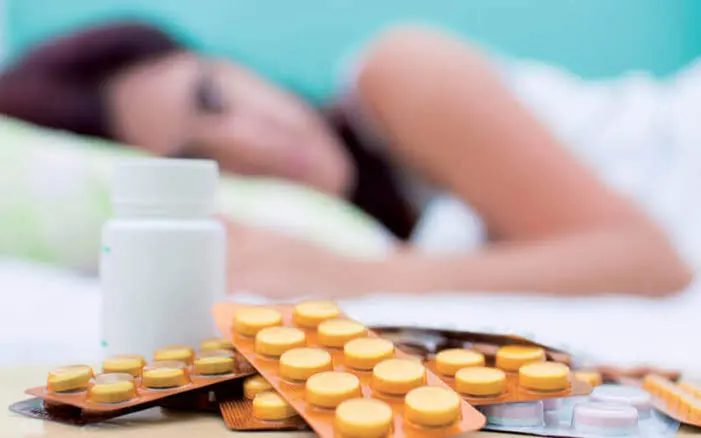
Self-medication means taking a medicine on your own initiative, without medical advice. It is common for a cold or a headache, but it is not risk-free. Here is what you need to know to limit it to suitable situations and avoid the most frequent mistakes.
What is self-medication?
According to France Assos Santé (a French patients’ association), self-medication means taking, without a prescription, medicines that have a marketing authorization, for common symptoms and for a short time. These medicines relieve symptoms but do not cure the disease. The World Medical Association speaks of responsible self-medication for the use of a legally available non-prescription medicine, on one’s own initiative or on the advice of a health professional; using prescription-only medicines without a prescription is excluded.
The dangers of poorly managed self-medication
Every medicine, prescribed or not, can have side effects and contraindications. The main pitfalls are:
- poorly known composition: the same active ingredient is found in several products, which exposes you to double dosing;
- interactions with other treatments, which can sometimes cause serious problems;
- dose and duration not respected, or an expired product;
- allergies and medical history, which the leaflet helps you check;
- masking of symptoms, which can delay a diagnosis;
- antibiotics taken without medical advice, which encourages antibiotic resistance: WHO Europe reminds us that antibiotics do not work against viruses, such as those that cause colds;
- dependence on certain products, and drowsiness, to be considered before driving (see the leaflet).
France Assos Santé strongly advises against self-medication for people with chronic diseases or taking several medicines, for pregnant or breastfeeding women, and for infants and children.
Medicines to watch: paracetamol, anti-inflammatories, antibiotics
Paracetamol. An overdose can seriously damage the liver. The French medicines agency ANSM recommends respecting the maximum doses and the interval between doses, checking whether other medicines (for pain, fever or colds) contain paracetamol, and taking particular care below 50 kg or in liver failure. NHS Wales gives a maximum for adults of 8 tablets of 500 mg in 24 hours, with at least 4 hours between doses.
Non-steroidal anti-inflammatory drugs (NSAIDs). Ibuprofen and aspirin can cause kidney and digestive complications. According to the ANSM, they are toxic to the foetus from the sixth month of pregnancy, two NSAIDs must never be combined, and they should be avoided in chickenpox. An NHS document states that prolonged use can lead to kidney problems.
Antibiotics. They should only be taken on prescription. Reusing leftover treatment encourages bacterial resistance.
Pregnancy, children, older adults: extra caution
During pregnancy, every medicine should be approved by a professional. The NHS states that paracetamol is the first-choice painkiller, whereas the NHS advises against NSAIDs in pregnancy or suspected pregnancy. In children, doses depend on weight and age: ask for advice before giving a medicine. Older adults are more sensitive to NSAIDs (digestive and kidney problems, confusion, according to the same document) and often take several treatments, which multiplies the risk of interactions.
Responsible self-medication: key guidelines
The WHO defines self-care as the ability to promote health and cope with illness with or without the support of a health professional, as a complement to the health system and not a substitute for it; it recommends only safe, effective and regulated products. In practice, the recommendations of France Assos Santé and the ANSM are as follows:
- keep self-medication for mild, already known symptoms;
- take the lowest dose for the shortest time, and stop as soon as the symptoms go away;
- read the leaflet and follow the dosage;
- do not go beyond about 3 days for fever and 5 days for pain without medical advice;
- tell the pharmacist about any other treatments you are taking;
- never reuse a medicine prescribed for another occasion or another person.
Storage, expiry dates and the role of the pharmacist
Check the expiry date before each use and take expired or unused medicines back to the pharmacy, which will accept them (France Assos Santé). Keep them in their original packaging with the leaflet, out of the reach of children. The pharmacist gives advice and checks for interactions; in France, medicines containing paracetamol, ibuprofen or aspirin have been kept behind the counter since January 2020, which encourages this dialogue. Medicines bought from unauthorized websites may be counterfeit.
When to see a doctor
See a doctor if symptoms last more than a few days, get worse or come back, or if a high fever, severe pain, breathlessness or a skin rash appears. Medical advice is also needed in pregnancy, with a chronic illness, if you are already on treatment, or for an infant. If you have taken too much of a medicine, even without symptoms, contact a doctor, a poison control centre or the emergency services without delay.
Further reading at La Rose Clinic
Frequently asked questions
What is the difference between self-medication and a prescription?
In self-medication, you choose a medicine available without a prescription yourself. With a prescription, a health professional decides on the treatment after an examination.
How long can you self-medicate?
Only for short periods: the ANSM cites about 3 days for fever and 5 days for pain. Beyond that, or if symptoms persist, medical advice is needed.
Can you combine two painkillers?
Not without advice: paracetamol is found in many products, and two anti-inflammatories must never be combined. Ask the pharmacist.
What should you do with expired medicines?
Do not use them, and take them back to the pharmacy, which will accept them.
Can you treat yourself during pregnancy?
No, every medicine must be approved by a health professional. Anti-inflammatories in particular are not recommended during pregnancy.
References
- Fiche A.13 : l’automédication (France Assos Santé) (france-assos-sante.org)
- Paracétamol et AINS : renforcer le conseil du pharmacien (ANSM) (ansm.sante.fr)
- Self-care for health and well-being (OMS) (who.int)
- 1 in 3 use antibiotics without prescription (OMS Europe) (who.int)
- WMA Statement on Self-medication (wma.net)
- Paracetamol for adults (NHS Wales) (111.wales.nhs.uk)
- Non-steroidal anti-inflammatory drugs (Dudley Group NHS) (dgft.nhs.uk)
This article is for information only. It does not replace a medical consultation: if in doubt, talk to your doctor.