
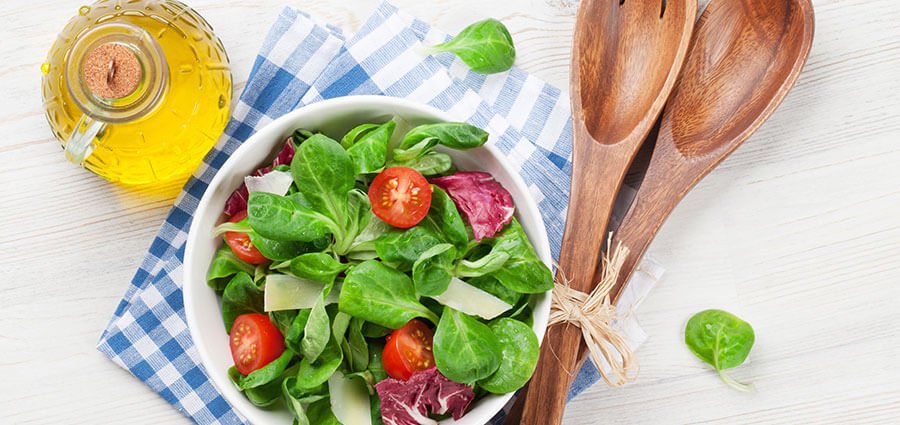
Eating a balanced diet does not require a strict regimen or a miracle product. Here are the guidelines from the WHO and other health authorities, practical tips on cooking and building your meals, and a dedicated box with advice for the month of Ramadan.
What is a balanced diet?
It means eating a varied diet in appropriate amounts. No food is strictly forbidden. The emphasis is on fruit, vegetables, pulses, whole or semi-whole grain starches and fish, while limiting fatty, sugary and salty foods, ultra-processed products and sugary drinks. In other words, a balanced diet is about variety and moderation rather than restriction. Changes can be made gradually, at any age, and every small step counts (Source).
The WHO figures to remember
For adults, the WHO gives these benchmarks (Source):
- at least 400 g of fruit and vegetables per day;
- free sugars: less than 10% of total energy intake (about 50 g for 2,000 kcal), or 5% or less for additional benefits;
- total fat: 30% or less of energy intake, with saturated fat below 10%;
- salt: less than 5 g per day.
Fruit juices, even with no added sugar, contain a lot of free sugars, so it is best to limit them.
Weight and energy balance
According to the WHO, overweight is defined as a body mass index (BMI) of 25 or more, and obesity as a BMI of 30 or more. Obesity is described as a chronic disease linked to environmental, psychosocial and biological factors, not simply to a lack of willpower. It increases the risk of type 2 diabetes, cardiovascular disease and certain cancers (Source).
Individual advice includes favouring fruit, vegetables, pulses and whole grains, limiting sugary drinks, staying active throughout life, sleeping well and avoiding tobacco (Source). BMI is only a guide: medical advice is needed to interpret it. In the case of obesity, a healthcare professional can explain the full range of treatment options, including, for information, bariatric surgery.
Cooking and building your meals day to day
The WHO recommends steaming or boiling rather than frying; limiting fried, baked and pre-packaged foods rich in industrial trans fats; replacing butter and ghee with oils rich in polyunsaturated fats (rapeseed, sunflower, soya, corn); and choosing lean meat and reduced-fat dairy products. For salt, avoid adding more at the table and limit salty condiments (stock, soy sauce) and salty snacks (Source).
Practical box: eating well during Ramadan
The WHO guide for the Eastern Mediterranean Region (EMRO) offers guidelines that also apply on other days (Source).
- Hydration: drink at least 10 glasses of water between iftar and suhoor according to this guide (the NHS cites a minimum of 6 to 8 glasses, Source); limit coffee, tea and cola, which increase urine output; eat water-rich foods (soup, watermelon, green salad).
- Meal distribution: a light suhoor (vegetables, wholemeal bread, a protein source such as low-salt cheese, milk or eggs) and an iftar that begins with dates, then includes vegetables, whole grains and lean protein, eaten slowly.
- Fried food: prefer steaming, cooking in sauce or baking to deep frying, and cut back on pastries made with butter or fat.
- Sugar: avoid sugary drinks and excess syrup-soaked pastries; choose fresh, water-rich fruit.
- Salt: limit processed meats, olives, pickles, salty cheeses and sauces; do not keep the salt shaker on the table.
A large feast at iftar is not recommended, as it may promote weight gain (Source).
When should you see a professional?
A doctor or dietitian can adapt these guidelines to your situation. Seek advice before fasting if you are pregnant or breastfeeding, or if you have diabetes or high blood pressure: WHO-EMRO states that people with type 1 diabetes are generally advised not to fast, and that people with type 2 diabetes or hypertension should do so only after medical advice, if their condition is well controlled (Source). Also speak to your doctor about rapid weight loss or gain, or persistent tiredness, so that the cause can be looked into.
Further reading at La Rose Clinic
Frequently asked questions
How much fruit and vegetables should I eat per day?
The WHO recommends at least 400 g per day for adults.
How much salt is recommended?
Less than 5 g of salt per day for adults, according to the WHO.
How can I stay hydrated during Ramadan?
Drink water regularly between iftar and suhoor (at least 6 to 8 glasses according to the NHS, at least 10 according to WHO-EMRO) and limit coffee and tea.
Can I fast if I have diabetes?
Not without medical advice: type 1 diabetes generally rules out fasting, and type 2 diabetes requires a doctor’s approval.
References
- Alimentation saine (OMS, aide-mémoire) (who.int)
- Que veut dire bien manger ? (sante.fr)
- Obesity and overweight (OMS) (who.int)
- Healthy diet in Ramadan (OMS-EMRO) (joomla.emro.who.int)
- Top tips for staying healthy during Ramadan (NHS) (northerncarealliance.nhs.uk)
This article is for information only. It does not replace a medical consultation: if in doubt, talk to your doctor.