Circumcision is carried out for medical, cultural or religious reasons. This article gives a neutral overview of what medical sources say: reasons for the procedure, proven benefits, risks, the conditions in which it should be done and what to expect afterwards.
What is circumcision and when is it medically indicated?
Circumcision is the removal of the foreskin. On medical grounds, the NHS offers it for repeated swelling, itching or infection of the foreskin or glans (balanitis), for phimosis (a foreskin that is too tight, with painful erections or difficulty passing urine), for scarring conditions such as lichen sclerosus and, rarely, as part of the treatment of penile cancer. The NHS states that it is only offered when other treatments have failed or are not possible. The Irish HSE also mentions paraphimosis.
In young boys, it is normal for the foreskin not to retract before the age of 5, and full separation can take until puberty. According to the NHS, it should never be forced.
Which medical benefits are proven?
The best-established benefit concerns HIV. According to WHO and UNAIDS, three randomized trials carried out in Kenya, Uganda and South Africa show that circumcision reduces the risk of men acquiring HIV through heterosexual sex by about 60%. This is a reduction in the risk of infection, not complete protection: UNAIDS is explicit that “circumcision does not provide complete protection against HIV”, and condoms are still needed.
According to draft CDC recommendations reported by the press in 2014, circumcision reduces the risk of infection from an infected female partner by 50 to 60%, but does not reduce the risk of transmission from a man living with HIV, and has not been shown to help in sex between men. The document also cites a reduction of 30% or more in the risk of genital herpes and of some types of human papillomavirus (HPV), and a lower risk of urinary tract infections in early childhood and of penile cancer. These effects on herpes, HPV and urinary infections are more modest or less well quantified than for HIV, and the exact size of the reduction in infant urinary infections is not stated in the sources consulted.
What do medical societies say?
In 2012, the American Academy of Pediatrics (AAP) concluded that the preventive benefits of newborn circumcision outweigh its risks, while leaving the decision to parents. A commentary by the British Association of Paediatric Urologists, published in Archives of Disease in Childhood, challenges the use of these arguments to justify routine newborn circumcision in countries where HIV is not endemic. Positions therefore differ depending on the setting: the decision is made with a doctor, taking the family’s beliefs into account.
What are the risks and complications?
According to the NHS, minor bleeding is the most common complication. Reduced sensitivity of the glans, a further procedure (to stop bleeding, remove more skin or revise the appearance) and, rarely, narrowing of or damage to the urethra can also occur. The HSE mentions infection and tender scars. Complications are uncommon, and most men have no problems.
The draft CDC recommendations mentioned above put the complication rate at 0.5% in newborns and up to 9% in children aged 1 to 9 years, mostly minor bleeding and pain.
Where, by whom and at what age should it be done?
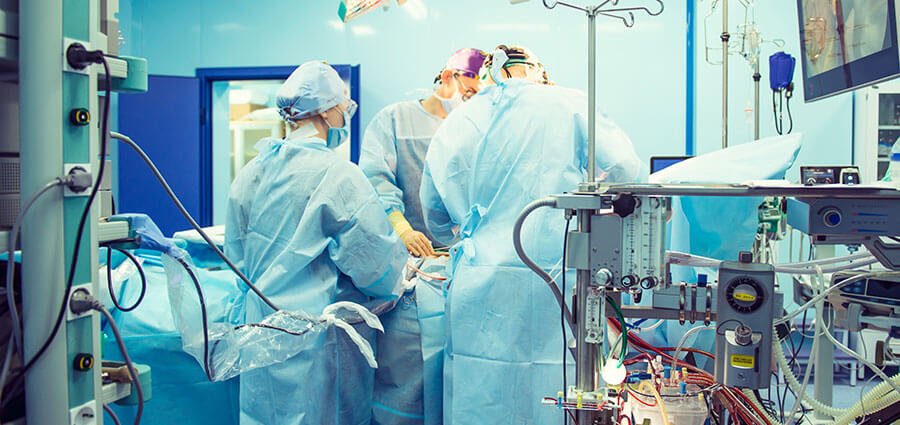
The procedure should be carried out in a medical setting by a trained professional. The AAP asks that it be performed by trained professionals under sterile conditions, with appropriate pain management. UNAIDS points out that the risks become serious when the procedure is done in poor hygienic conditions, by poorly trained practitioners or with unsuitable equipment. The age at which it is done depends on the reason for it and should be discussed with a doctor.
Aftercare
According to the NHS:
- wear loose clothing and take a painkiller as prescribed (no aspirin for children under 16);
- wash the area gently, then pat it dry;
- avoid swimming, cycling, sport and heavy lifting for at least 2 weeks;
- avoid sex for at least 4 weeks, or until fully healed;
- after a general anaesthetic, arrange for someone to take you home and do not drive for 24 hours.
Healing usually takes 4 to 6 weeks. Swelling, bruising and light bleeding for 1 to 2 weeks are normal.
When to seek medical advice
According to the NHS, get medical help promptly if bleeding does not stop, the wound is red or hot, or if there is a fever, severe pain or pain that is not improving, blood in the urine or great difficulty passing urine. Also seek advice if stitches have not dissolved after 6 weeks, if there is a discharge of pus or if the urine stream becomes weak. If a child cannot pass urine at all, this is an emergency. For a child under 5, ask for medical advice without delay.
Further reading at La Rose Clinic
Frequently asked questions
Does circumcision protect against HIV?
It reduces the risk of infection in heterosexual men by about 60%, according to the WHO and UNAIDS, but it does not give complete protection: condoms are still needed.
Is circumcision recommended for phimosis?
It can be, when other treatments have failed or are not possible, according to the NHS.
How long does healing take?
Usually 4 to 6 weeks, with swelling and small amounts of bleeding possible for 1 to 2 weeks, according to the NHS.
Who should carry out the procedure?
A qualified professional, in a medical setting, under sterile conditions and with pain management.
References
- Circumcision in men (NHS) (nhs.uk)
- Circumcision in men (HSE) (hse.ie)
- WHO and UNAIDS recommendations on male circumcision for HIV prevention (who.int)
- Male circumcision recommendations (UNAIDS) (unaids.org)
- Newborn circumcision: AAP 2012 policy (Archives of Disease in Childhood) (adc.bmj.com)
- CDC circumcision draft guidelines (CBS News) (cbsnews.com)
This article is for information only. It does not replace a medical consultation: if in doubt, talk to your doctor.