High blood pressure (hypertension) is a common condition that most often develops silently. This article explains how it is defined, how to measure it and which lifestyle habits help prevent it, based on the recommendations of the WHO and recognised medical sources.
What thresholds define high blood pressure?
According to the WHO, hypertension is defined as a blood pressure of 140/90 mmHg or above. The diagnosis relies on readings taken on two different days, with a systolic pressure of 140 mmHg or more and/or a diastolic pressure of 90 mmHg or more. For a reading taken at home, the threshold is 135/85 mmHg according to the NHS.
The WHO gives as a target, for most treated adults, a pressure below 140/90 mmHg, and below 130/80 mmHg in the case of cardiovascular disease, diabetes, chronic kidney disease or high cardiovascular risk. Interpreting a value and choosing any treatment is a matter for your doctor.
Does high blood pressure cause symptoms?
Most often, no. The WHO states that most people have no symptoms and that the only way to know is to have your blood pressure measured; the NHS specifies that high blood pressure does not usually cause symptoms. Morning headaches, dizziness, ringing in the ears, palpitations or nosebleeds therefore neither identify it nor rule it out.
Symptoms can appear when blood pressure is very high, generally from 180/120 mmHg: severe headaches, chest pain, dizziness, difficulty breathing, nausea, vision problems, confusion, ringing in the ears or nosebleeds. According to the WHO, they call for immediate medical attention when combined with high blood pressure.
How do you measure your blood pressure?
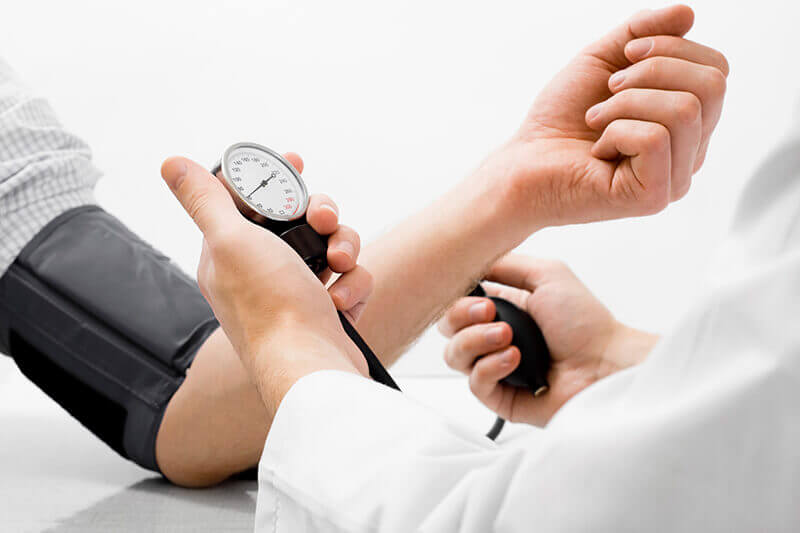
A measurement by a health professional (doctor’s office, pharmacy) is the basis of screening. The WHO notes that automatic home devices can be used, but that an assessment by a professional remains important to evaluate risk.
For home monitoring, the French National Academy of Medicine recommends in particular:
- an upper-arm cuff device (wrist devices are discouraged, except for some obese or elderly people);
- 5 minutes of rest before the measurement, with no tobacco or coffee in the preceding 30 minutes;
- a seated position, back supported, arm resting on a table;
- three readings 1 to 2 minutes apart, morning and evening, for five days.
Home monitoring helps identify “white coat” hypertension (high in the office, normal at home) and masked hypertension (the reverse).
Weight and physical activity
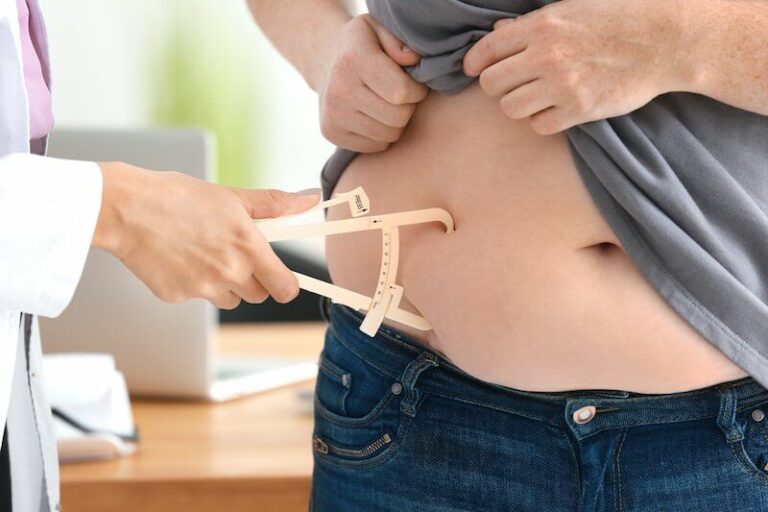
The WHO recommends that people who are overweight or obese lose weight, and the NHS points out that even a small drop in blood pressure reduces the risk of heart disease, stroke or kidney disease.
As for movement, the WHO advises at least 150 minutes a week of moderate-intensity aerobic activity (or 75 minutes of vigorous activity), supplemented by muscle-strengthening exercises on at least two days a week, and limiting sedentary time. Any activity counts: brisk walking, cycling, swimming.
Diet, salt, alcohol and tobacco
The WHO recommends limiting salty foods (staying under 2 g of sodium a day), eating more vegetables and fruit and avoiding saturated and trans fats. The DASH diet, designed against hypertension, favours vegetables, fruit, whole grains, low-fat dairy, fish, poultry, legumes and nuts, foods rich in potassium, calcium and magnesium. It limits sodium to 2,300 mg a day (about one teaspoon of table salt), or 1,500 mg in its lower-sodium version.
- Alcohol: the WHO advises no more than one drink a day for women and two for men.
- Tobacco: do not smoke or use tobacco.
- Treatment: if a medicine has been prescribed, take it as directed and keep your follow-up appointments.
When should you see a doctor, and when should you call emergency services?
See a doctor to have your blood pressure measured if you never have, if your home readings are above 135/85 mmHg, or if you have risk factors (age, family history, excess weight, tobacco, alcohol, a high-salt diet). The NHS advises seeking medical advice for frequent headaches, blurred vision or intermittent chest pain.
Sudden, persistent chest pain, spreading to the arm, neck, jaw or back, or accompanied by sweating, nausea or shortness of breath, is an emergency: call emergency services immediately and do not drive yourself.
Further reading at La Rose Clinic
Frequently asked questions
Can you have high blood pressure without feeling it?
Yes, and this is the most common situation: according to the WHO, most people have no symptoms, and only a blood pressure measurement can detect it.
At what value is blood pressure considered high?
The WHO uses 140/90 mmHg or more, confirmed on two different days. At home, the threshold is 135/85 mmHg according to the NHS.
How much physical activity do I need each week?
The WHO recommends at least 150 minutes of moderate aerobic activity a week (or 75 minutes of vigorous activity), with muscle strengthening on two days a week.
Does home monitoring replace a consultation?
No. It complements measurement by a professional, which remains necessary to assess overall risk and decide on any treatment.
References
- Hypertension (fact sheet) (who.int)
- High blood pressure (hypertension) (nhs.uk)
- Recommandations concernant l’automesure tensionnelle (academie-medecine.fr)
- DASH diet: Healthy eating to lower your blood pressure (mayoclinic.org)
This article is for information only. It does not replace a medical consultation: if in doubt, talk to your doctor.