Lipofilling, also called lipomodelling or fat transfer, uses fat taken from one part of your body to add volume to the breasts or refine their contour. This article is the counterpart of our article on breast implants. You will learn who it suits, how it is prepared, how much of the fat is expected to survive, and which risks and imaging checks to discuss with your surgeon.
What is breast lipofilling and who is it for?
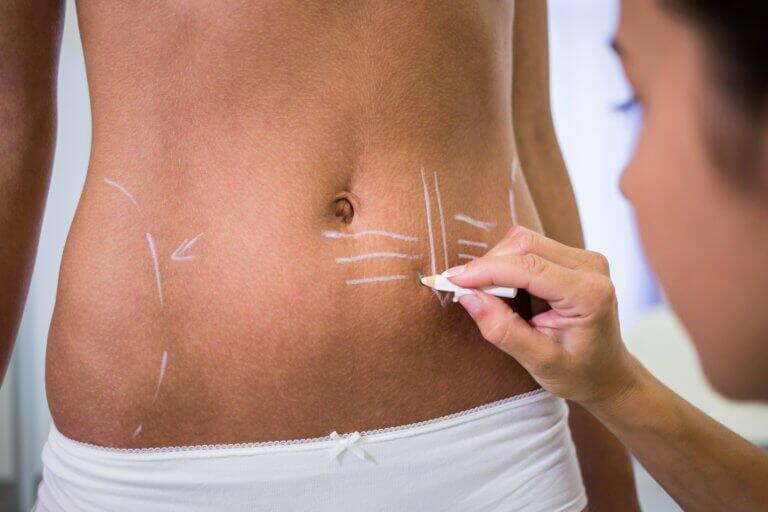
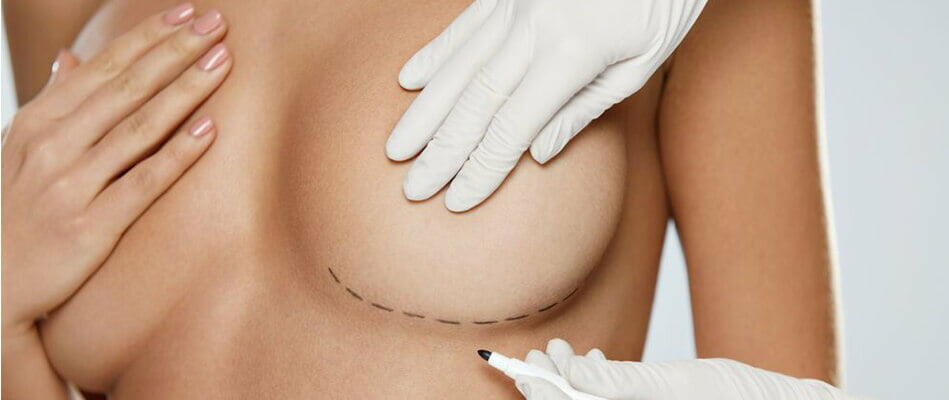
The surgeon removes fat by liposuction from an area such as the abdomen or thigh, purifies it, and reinjects it into the breasts (HAS). The ASPS describes the technique as an option for women who want a relatively small increase in breast size and prefer natural results (ASPS).
Two situations should be distinguished:
- Cosmetic augmentation: the SOF.CPRE information sheet describes the gain as moderate (SOF.CPRE), and the ASPS rates the supporting evidence as grade B, mostly case series and expert opinion (ASPS Guiding Principles).
- Reconstruction: after breast cancer treatment, fat transfer is used alone or, more often, together with another technique to restore volume and appearance (HAS).
The main practical limit is the amount of fat available: the only contraindication stated by the Geneva University Hospitals is insufficient fat reserves, so very thin people may not be candidates (HUG).
How should you prepare?
The SOF.CPRE sheet lists a clinical breast examination, a mammogram and an ultrasound (with an MRI if needed), the usual pre-operative tests and an anaesthetist consultation; any suspicious finding postpones the procedure (SOF.CPRE). Your surgeon will also ask about your personal and family history of breast disease. The ASPS advises caution in high-risk patients, such as those with a BRCA1 or BRCA2 mutation or a personal or family history of breast cancer (ASPS).
- Smoking: the SOF.CPRE asks for complete cessation, including e-cigarettes, from at least one month before surgery until healing, about 15 days afterwards (SOF.CPRE).
- Medicines: no aspirin or anti-inflammatory drugs in the 15 days before surgery, according to the same sheet. Ask your doctor about anticoagulants and supplements; never stop a prescribed treatment on your own.
What happens during surgery and recovery?
According to the SOF.CPRE sheet, the procedure lasts 1 to 4 hours with a hospital stay of 12 to 24 hours (SOF.CPRE). Pain is usually moderate and can be stronger at the donor sites. Typical markers are:
- swelling lasting 1 to 3 months, and bruises fading in 10 to 20 days;
- fatigue for 1 to 2 weeks;
- no sun exposure for at least 4 weeks.
The first results appear around month 1 and a near-final result takes 3 to 6 months, which is longer than the 2 to 3 months often quoted (SOF.CPRE).
How much of the fat survives, and how many sessions are needed?
Not all the injected fat survives. The SOF.CPRE sheet gives a graft take of 60 to 70%, meaning roughly 30 to 40% is lost (SOF.CPRE). The Geneva University Hospitals note that part of the fat is reabsorbed during the first three months (HUG). Because only a limited quantity can be injected at a time, several sessions are often needed.
- A second session can be done a few months later, and touch-ups are possible from month 6 (SOF.CPRE).
- In reconstruction, the HAS indicates typically one to two sessions when combined with a flap and three to four for lipomodelling alone (HAS).
The sources consulted give no reliable volume in cup sizes: the expected gain is described as modest, so any figure should be discussed with your surgeon as an estimate, not a target.
What happens to the fat if your weight changes?
Fat that has survived behaves like fat elsewhere in the body: it is not frozen in place. The Geneva University Hospitals state that once resorption ends, the remaining fat is lasting but changes with body weight like the rest of the body (HUG). The SOF.CPRE therefore recommends a stable weight; significant weight loss reduces breast volume and weight gain can increase it (SOF.CPRE). A stable weight protects the result, but no outcome is certain to stay unchanged.
What are the risks, and what follow-up imaging is advised?
Reported risks include infection, fat cell death (fat necrosis), cysts, microcalcifications and loss of graft volume (ASPS, ASPS Guiding Principles).
- Fat necrosis: rare firm areas that usually shrink and soften over several months; report persistent or growing ones (SOF.CPRE).
- Oil cysts: benign, more likely when too much fat is injected, and sometimes drained by needle (HUG).
- Microcalcifications: related to healing and different from cancer-related calcifications, according to the SOF.CPRE (SOF.CPRE).
Because such changes can appear on images, the SOF.CPRE proposes a reference mammogram and ultrasound one year after surgery, ideally read by the same radiologist, then at 2 years and possibly 3 (SOF.CPRE). The ASPS notes that the limited studies available do not confirm a fear that fat grafting delays cancer detection, but informed consent should state that evidence on safety and efficacy is limited (ASPS).
When to consult and what to ask
Consult a plastic surgeon if you want a modest, natural-looking increase in volume or if you are considering reconstruction after breast surgery. Bring your imaging, your medical and family history and a list of medicines. Questions to ask:
- Do I have enough fat for the volume I want?
- How many sessions are likely, and when would they take place?
- Which imaging follow-up do you recommend?
- How does this compare with implants in my case?
Further reading at La Rose Clinic
Frequently asked questions
How much of the transferred fat is lost?
The SOF.CPRE gives a graft take of 60 to 70%, so roughly 30 to 40% is lost. Part of the loss occurs in the first three months.
How many sessions will I need?
It varies. A second session can be done a few months later, and in reconstruction the HAS cites one to four sessions depending on the technique.
Can I gain weight after the procedure?
Surviving fat changes with body weight like fat elsewhere, so weight gain or loss can change breast volume. A stable weight is recommended.
Do I need a mammogram?
Yes, before surgery, and the SOF.CPRE proposes a mammogram and ultrasound one year afterwards, then at 2 years and possibly 3.
Can very thin people have lipofilling?
Not if fat reserves are insufficient, as this is the main contraindication cited by the Geneva University Hospitals.
References
- Fiche d’information : lipomodelage (transfert graisseux) mammaire, SOF.CPRE (hopital-novo.fr)
- ASPS Fat Transfer / Fat Graft Guiding Principles (plasticsurgery.org)
- Fat Transfer Breast Augmentation (ASPS) (plasticsurgery.org)
- Fat Transfer Breast Augmentation: Risks and Safety (ASPS) (plasticsurgery.org)
- Lipofilling ou lipostructure (HUG) (hug.ch)
- Reconstruction mammaire par injection de graisse ou lipomodelage (HAS) (has-sante.fr)
This article is for information only. It does not replace a medical consultation: if in doubt, talk to your doctor.