
Osteoporosis weakens the bones and raises the risk of fracture, often with no warning sign before the first break. This article explains what the disease is, which fractures it causes, who is affected, how to prevent it and when a bone density scan is useful.
Is osteoporosis a disease?
Yes. The French national health authority, Haute Autorité de santé (HAS), describes it as a diffuse skeletal disease characterised by low bone mass and deterioration of the microarchitecture of bone tissue, leading to fragile bones and an increased risk of fracture. According to the Mayo Clinic, bones become weak and brittle when the formation of new bone no longer keeps up with the loss of old bone.
Ageing increases the risk, but osteoporosis should not be regarded as a simple, normal stage of ageing: it can be detected, prevented and treated. It develops slowly, over several years, and often remains silent until a fracture occurs (nidirect).
Which fractures are typical?
The most common fractures affect the wrist, the hip and the spine (NHS 111 Wales). A fragility fracture is one that occurs after a fall from standing height or a minor knock. Some fractures can even happen when coughing or sneezing.
Fractures of the vertebrae can cause back pain, loss of height and a stooped posture. A hip fracture can lead to disability and increases the risk of death during the first year (Mayo Clinic).
What are the risk factors?
Several factors, either non-modifiable or related to lifestyle, increase the risk:
- age and sex: being a woman and, above all, the menopause (especially before the age of 45) lower bone density;
- family history, in particular a hip fracture in a parent;
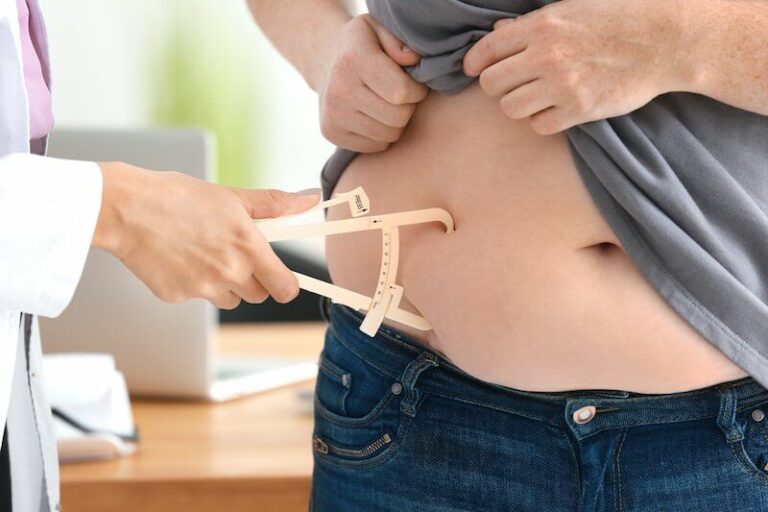
- low body weight: a BMI of 19 or less is cited by the NHS;
- certain medicines, notably long-term corticosteroids;
- certain conditions: thyroid or parathyroid disorders, rheumatoid arthritis, coeliac disease, inflammatory bowel disease, eating disorders;
- lifestyle: smoking, drinking more than two alcoholic drinks a day and inactivity (Mayo Clinic).
How can osteoporosis be prevented?
Prevention relies on several habits. According to the Mayo Clinic:
- calcium: about 1,000 mg a day from age 18 to 50, and 1,200 mg for women over 50 and men over 70;
- vitamin D: at least 600 IU a day, 800 IU after age 70;
- physical activity: combine weight-bearing exercise (walking, stairs), muscle strengthening and balance work;
- smoking and alcohol: stop smoking and limit alcohol;
- fall prevention: suitable footwear, clear floors, good lighting.
For the HAS, calcium and vitamin D intake is essential, with supplements mainly needed in case of deficiency. Talk to your doctor before taking supplements.
When and how to screen: the bone density scan (DXA)
A DXA bone density scan measures bone mineral density. The test is quick (about 10 to 20 minutes) and painless (NHS). According to the WHO categories used by the HAS, a T-score of -2.5 or lower indicates osteoporosis, between -1 and -2.5 osteopenia, and above -1 normal density.
The HAS cites the following among the indications:
- a vertebral fracture without clear trauma, or a peripheral fracture after minimal trauma;
- systemic corticosteroid treatment lasting at least 3 months at more than 7.5 mg a day of prednisone equivalent;
- in postmenopausal women, a parent who had a hip fracture, a BMI below 19 kg/m², or menopause before age 40.
The Mayo Clinic also suggests discussing screening in the case of early menopause, corticosteroids taken for several months, or a parent, brother or sister with the disease.
Which treatments, and when to see a doctor?
The decision to treat depends on age, fracture risk and previous fractures, not only on the scan result, and a medicine is not always necessary (NHS). According to the NHS, the options include bisphosphonates, raloxifene, teriparatide, denosumab and romosozumab, as well as calcium and vitamin D when intake is insufficient; each of these treatments has benefits and side effects to discuss with your doctor.
See a doctor if you have risk factors, if you have lost height, if your back is becoming stooped or if you have had a fracture after a minor knock.
Further reading at La Rose Clinic
Frequently asked questions
Is osteoporosis a normal part of ageing?
No. For the HAS, it is a skeletal disease. Age increases the risk, but it can be detected, prevented and treated.
Does osteoporosis hurt?
Not in itself: it is often silent. Pain appears when a fracture occurs, for example in a vertebra (nidirect, Mayo Clinic).
Who should have a bone density scan?
In particular people who have had a fracture after a minor knock, those on prolonged corticosteroids or, after the menopause, those with certain combined risk factors. Your doctor assesses whether it is indicated.
Are calcium and vitamin D enough to treat osteoporosis?
They are part of prevention and treatment, but do not always replace a medicine. The decision is made with your doctor according to your fracture risk.
References
- Osteoporosis: symptoms and causes (mayoclinic.org)
- Osteoporosis (NHS 111 Wales) (111.wales.nhs.uk)
- Osteoporosis (nidirect) (nidirect.gov.uk)
- Ostéoporose : synthèse (pprod-web.has-sante.fr)
This article is for information only. It does not replace a medical consultation: if in doubt, talk to your doctor.