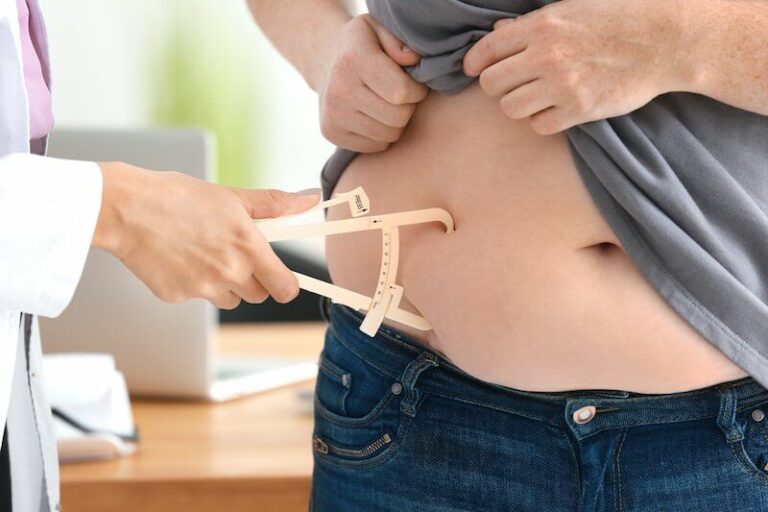

To control your weight, snacks matter as much as meals. Popcorn has a reputation as cinema fare; yet plain and well prepared, it is a whole grain that is rich in fibre and low in calories. Everything depends on what you add to it. This article also explains how this kind of snacking fits into weight control without extreme dieting.
A little-known whole grain
Popped corn keeps the whole kernel: bran, germ and endosperm. Like other whole grains (brown rice, oats, wholemeal bread), it contains more fibre than refined grains such as white bread or white rice.
Fibre plays several roles: it slows digestion and prolongs the feeling of fullness. Getting enough fibre may reduce the risk of coronary heart disease.
Why it can help with weight control
Thanks to its high fibre content, low calorie count and low energy density, popcorn is regarded as a food that can help with weight loss. For the same number of calories, you eat a much larger portion than of a sugary drink or a pastry, and you feel fuller.
Popcorn also provides polyphenols, antioxidants linked to better blood circulation and good digestive health.
Whole grains and health
A Harvard analysis of nearly 800,000 people found that those who ate three servings of whole grains a day had a lower risk of death than those who ate few. The authors point out that this type of study does not prove that whole grains alone prevent early death.
Preparing it well
Popcorn is only a good snack if it is air-popped and lightly seasoned. Cinema popcorn, loaded with butter, sugar or salt, has a completely different profile.
- Pop it with hot air, or in a pan with very little fat.
- Limit salt and avoid caramel or added sugar.
- Flavour it with spices or herbs rather than butter.
- Serve a portion in a bowl rather than eating from a large bag.
US dietary guidelines advise that half of the grains you eat be whole grains. Portion for portion, popcorn also provides more fibre than wholemeal bread. It is also one of the cheapest sources of whole grains, along with oats and brown rice.
Controlling your weight without extreme dieting: WHO guidance
Weight depends on overall lifestyle rather than on a single food. The WHO reminds us that energy intake must be balanced by energy expenditure, and offers simple guidelines for a healthy diet:
- at least 400 g of fruit and vegetables a day from age 10;
- free sugars below 10% of daily energy;
- less than 5 g of salt a day for adults;
- at least 25 g of fibre a day, and fat limited to 30% of energy or less.
As for movement, the WHO recommends that adults aged 18 to 64 do at least 150 minutes a week of moderate-intensity activity (or 75 minutes of vigorous activity), in bouts of at least 10 minutes. Any activity is better than none: you can start small and build up gradually.
Reading labels and choosing other snacks
To compare products, use the values per 100 g rather than per serving, as the “suggested” serving varies between manufacturers. The colour codes (red, amber, green) in a British hospital guide give, per 100 g: low sugars at 5 g or less and high above 15 g; low salt at 0.3 g or less and high above 1.5 g. The ingredients list is ordered by decreasing quantity: if sugar or fat comes first, it is better to choose another product. Sugar hides under names such as glucose, sucrose, syrup or honey.
For snacks, the WHO advises you to limit salty or processed snacks high in trans fats, and to reach 400 g of fruit and vegetables a day. A fresh fruit, raw vegetable sticks or a small portion of plain popcorn can do the job.
One snack among others, and when to see a doctor
No food makes you lose weight on its own. Popcorn does not replace fruit, vegetables or a varied diet. The French National Authority for Health (HAS) lists among the factors in weight gain excess energy intake, sugary drinks, large portions and a sedentary lifestyle: it is all these levers that need to be addressed.
If you struggle to keep your weight stable, medical and nutritional support can help set goals suited to your health.
See your doctor if your weight changes for no clear reason, if you have a history of cardiovascular disease or diabetes, or before making major changes to your diet. You can calculate your body mass index (BMI) to see where your weight stands, although this figure alone is not enough to decide.
Further reading at La Rose Clinic
Frequently asked questions
Does popcorn make you gain weight?
Plain and air-popped, it is low in calories and filling. It is the added butter, sugar and salt that make it a fatty, high-calorie food.
Is popcorn a whole grain?
Yes. The popped corn kernel is eaten whole, with its bran and germ, which explains its fibre content.
Can it replace fruit and vegetables?
No. It is a useful snack, but a balanced diet remains varied and rich in fruit and vegetables.
How much physical activity per week?
The WHO recommends that adults do at least 150 minutes a week of moderate-intensity activity, or 75 minutes of vigorous activity, or an equivalent combination.
How do I choose snacks from the label?
Compare values per 100 g, look at sugar, salt and fat, and check that the first ingredients are not sugar or fat.
References
- American Heart Association, Popcorn as a snack: healthy hit or dietary horror show? (2019) (www.heart.org)
- USDA ARS, Popcorn: a healthy, whole grain snack (www.ars.usda.gov)
- Harvard Health Publishing, Eat more whole grains to stay healthy (www.health.harvard.edu)
- HAS, Surpoids et obésité de l’adulte : prise en charge médicale de premier recours (www.has-sante.fr)
- OMS, Healthy diet (www.who.int)
- OMS, Physical activity (www.who.int)
- Milton Keynes University Hospital NHS, Understanding food labels (www.mkuh.nhs.uk)
This article is for information only. It does not replace a medical consultation: if in doubt, talk to your doctor.