Joint pain, an injury or a back that locks up do not all call for the same degree of urgency. This article describes the areas of orthopaedics, the signs that should prompt a visit, urgent situations, risk factors and how problems are first treated, without surgery in most cases.
Which problems fall under orthopaedics?
Orthopaedics deals with bones, joints, ligaments, muscles and the spine. It covers in particular:
- sprains and strains: a sprain is a stretch or tear of a ligament, while a strain affects a muscle or tendon (OrthoInfo, AAOS);
- fractures and dislocations, often confirmed by an X-ray (NHS);
- herniated (slipped) disc, which can irritate a nerve and cause pain, numbness or weakness in an arm or leg (Mayo Clinic);
- osteoarthritis and other forms of arthritis, including gout and rheumatoid arthritis (NHS);
- spinal deformities such as scoliosis, and bone tumours, which are rarer.
Which signs should prompt a visit?
An opinion is advisable in the following situations:
- joint pain, swelling or stiffness that does not go away within a few days (NHS); osteoarthritis, for its part, should be assessed when symptoms persist (NHS);
- back pain lasting more than eight weeks, which warrants an assessment, sometimes with an MRI (Mayo Clinic);
- weakness, numbness or tingling in a limb, signs of possible nerve involvement;
- difficulty moving or using a limb, a visible deformity or a locked joint;
- persistent bone pain, especially at night, an unusual lump or swelling, or unexplained weight loss: these signs can, more rarely, suggest a bone tumour, and an early check makes management easier (NHS).
What counts as an emergency?
According to the NHS, you should go to the emergency department or call for help if a bone is sticking out through the skin (open fracture), a limb is deformed, discoloured or at an unusual angle, you have numbness or pins and needles, or there is a deep wound that bleeds heavily. It is advisable not to drive yourself.
Severe pain that is getting worse or stops you using the limb, swelling that increases quickly, or fever with chills (risk of infection) call for prompt medical advice. For a joint that suddenly becomes very painful, red or hot, the NHS also recommends an urgent appointment. Finally, progressive weakness, bladder or bowel problems, or back pain after an injury require rapid assessment (Mayo Clinic).
What are the risk factors?
The NHS lists several risk factors for osteoarthritis:
- age: the risk rises with the years;
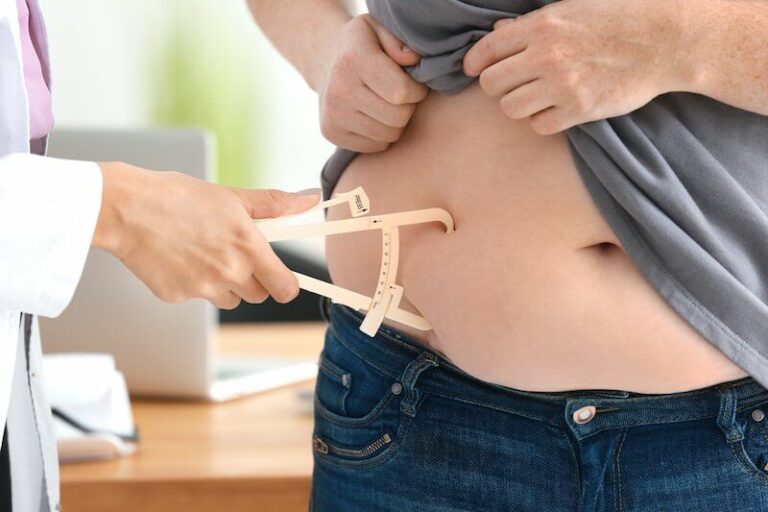
- being overweight: obesity puts extra load on weight-bearing joints such as the knees and hips;
- previous injury: returning to use a joint before an injury or operation has healed;
- family history;
- sex: osteoarthritis is more common in women.
The NHS also notes that excess weight strains the joints in general and that smoking and drinking too much alcohol can make the symptoms of some types of arthritis worse (NHS).
Non-surgical treatments come first
Surgery is not the first response. For a sprain, the first steps are rest, ice, compression and elevation, possibly followed by rehabilitation and a brace; only the most severe sprains may need surgical repair (OrthoInfo). For osteoarthritis, the NHS recommends regular exercise, weight loss if you are overweight, suitable footwear, then painkillers and a programme with a physiotherapist; surgery is reserved for a small number of cases.
For a herniated disc, most back pain improves within roughly six to eight weeks; treatment combines medication, physiotherapy and sometimes injections. Surgery is considered when there is nerve involvement, a major impact on daily life or treatment failure, and, without nerve involvement, results at two years are similar to those of non-surgical treatment (Mayo Clinic).
What happens during the consultation?
The doctor asks when the symptoms began and what makes them better or worse, then examines the joint or back. Depending on the situation, they may request an X-ray, for example to tell a fracture from a sprain or a dislocation, or an MRI to investigate long-lasting back pain.
Prepare a list of your current medicines, your medical history and your questions. The options offered depend on the cause, your age and how much the problem affects you, and the decision is made together with you.
Further reading at La Rose Clinic
Frequently asked questions
Does a sprain always need a medical visit?
Not always, but advice is recommended if you can no longer use the limb, if pain or swelling persists, or if there is numbness: a fracture can look like a sprain and is confirmed by X-ray.
Do you need surgery for a herniated disc?
Most often not. According to the Mayo Clinic, symptoms usually improve with non-surgical treatment, and surgery is considered if there is nerve involvement or treatment fails.
What should you do if you suspect a fracture?
Limit movement of the area and seek medical advice quickly. If a bone is visible, there is a deformity or numbness, go to the emergency department without driving yourself.
Can being overweight damage the joints?
Yes. According to the NHS, obesity puts extra load on weight-bearing joints such as the knees and hips, and weight loss is part of the advice for osteoarthritis.
References
- Arthritis (nhs.uk)
- Osteoarthritis (nhs.uk)
- Broken arm or wrist (nhs.uk)
- Sprains, Strains, and Other Soft Tissue Injuries (orthoinfo.org)
- Mayo Clinic Q and A: Herniated disk symptoms often effectively treated without surgery (newsnetwork.mayoclinic.org)
- Bone cancer: symptoms (nhs.uk)
This article is for information only. It does not replace a medical consultation: if in doubt, talk to your doctor.